
The latest neuroscience provides hope!
Many people live with chronic pain or ongoing physical symptoms that medical tests cannot fully explain, or that do not improve as expected with traditional treatments.
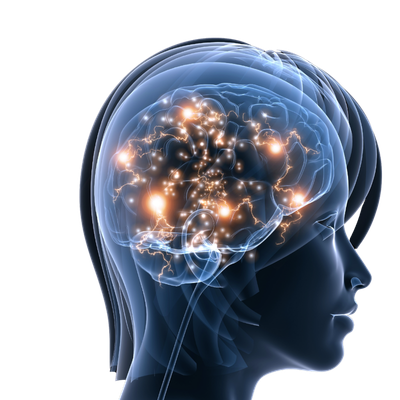
Recent neuroscience suggests that in many cases these symptoms are related to changes in how the brain and nervous system process signals, rather than ongoing damage within the mindbody system. Through a process called neuroplasticity—the brain’s ability to learn and adapt—the nervous system can develop learned neural pathways in the brain that continue to produce real physical symptoms.
All pain is generated by the brain, even though it feels as if it originates in the body. This does not mean the pain is imagined—only that the brain is the organ responsible for producing the experience of pain. This process happens largely outside of our conscious awareness.
Many other physical symptoms—such as fatigue, dizziness, nausea, digestive issues, or muscle tension—can also arise when the brain and nervous system activate protective responses. When the brain’s threat-detection system becomes highly sensitized, it can remain in a heightened protective state and continue producing real physical symptoms even when there is no ongoing injury or illness.
Because these sensations feel as though they originate in the body, it can be difficult to distinguish them from symptoms caused by structural conditions. The symptoms are real and can be severe, sometimes lasting for months, years, or even decades.
Research suggests these patterns can develop when the nervous system becomes stuck in a heightened stress or protective response, often shaped by past or ongoing life stressors—again, mainly occurring outside of our conscious awareness. Over time, the brain learns these patterns and continues producing symptoms even after the original trigger has passed.
The encouraging news is that neuroplasticity also allows the brain and nervous system to change. With the right approaches, the nervous system can learn new patterns and reduce or stop producing symptoms. Evidence-based approaches focused on nervous system regulation, neuroscience education, and addressing underlying stress responses are helping many people significantly reduce or resolve chronic symptoms.
This growing body of research offers hope—and a path forward—for people who have long searched for answers.